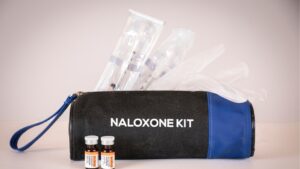
 Last year, Bill 88 or the Working for Workers Act, 2022 introduced a mandate under the Occupational Health and Safety Act (“OHSA”) that all Ontario’s provincially regulated employers needed to provide naloxone kits on site if there was a risk of a worker having an opioid overdose. At the time, employers were not given a specific timeline as to when they needed to comply with this legislation. Now, in an ongoing attempt to tackle the opioid crisis, firmer timelines have been implemented.
By June 1, 2023, employers need to determine whether or not they must provide naloxone kits in the workplace, and if so, they must meet certain minimum requirements.
What is Naloxone and Why is this Mandate Important?
Naloxone is a medication that can temporarily reverse the effects of an opioid overdose. These new regulations are a significant step in the fight against the opioid crisis. Employers in particular have an important and mandatory role to play in ensuring the safety of their workers. By providing naloxone kits and training, employers can help prevent overdose deaths and support their employees who may be struggling with addiction.
What are Employers’ Obligations Around Naloxone in the Workplace?
The regulations apply to all Ontario workplaces that have a risk of a worker overdosing, including offices, factories, and construction sites. Employers are required to provide at least one naloxone kit for every 50 employees, and the kits must be easily accessible in case of an emergency.
In addition to providing the kits, employers must also ensure that employees are trained in the use of naloxone and in recognizing the signs of an opioid overdose. This training must be provided at least once a year and employees must be informed about the location of the naloxone kits and how to access them.
Employers are required to keep records of naloxone training and kit distribution. Employers must also ensure that the kits are properly maintained and replaced when necessary.
Beginning in December 2022, and continuing for up to two years, the Ontario government will provide free nasal spray naloxone kits to businesses at risk of opioid overdoses through the Workplace Naloxone Program, as well as free training to equip staff with the tools to respond to an opioid overdose.
Consequences for Not Complying with the Naloxone Kits Health and Safety Requirements
Employers who fail to comply with these regulations may face penalties, including fines and legal action. OHSA also recently increased the maximum fine imposed for offences under the Act from $1.5 million to $2 million for companies that fail to follow workplace health and safety laws.
It is important for employers to familiarize themselves with these new naloxone kit requirements and to take action to ensure compliance by June 1, 2023.
Do you have questions about health and safety compliance in your workplace? Get in touch for a consultation.