
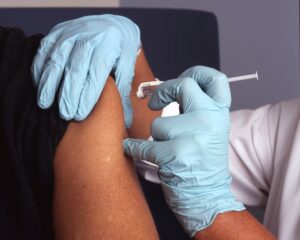
On September 1, 2021, the Ontario government announced that, beginning September 22, 2021, Ontario residents will be required to provide proof of full COVID-19 vaccination (meaning that both doses of an approved COVID-19 vaccine must have been administered at least fourteen days prior), in the form of a printout or PDF receipt of vaccination status, plus photo identification, in order to enter certain non-essential business sites. A vaccine verification app and QR code, to be used by various businesses and organizations, are currently under development.
Where Proof of Vaccination Will and Will Not be Required in Ontario
The vaccine certificate program requires that non-essential businesses restrict entry to their premises to those who have valid proof of vaccination, as outlined above. Non-essential businesses include restaurants (indoor dining only); nightclubs (indoor and outdoor areas); theatres, music festivals, concerts, and cinemas; night clubs, strip clubs, bathhouses, and sex clubs; racing venues; casinos and gaming establishments; fitness and recreational centres (except youth recreational sport); and meeting spaces.
Spaces where proof of vaccination is not required include: venues where individuals access essential services, such as basic medical supplies or groceries; places of worship; banks; retail shopping centres; voting stations in the upcoming federal election; outdoor dining (exclusive of nightclubs in outdoor settings); and salons.
Exemptions from Inoculation
What does this mean for those who have valid human rights reasons, such as religious or medical restrictions, for not receiving the COVID-19 vaccine? Well, exemptions from immunization will be available. For instance, entry to spaces that would otherwise require proof of vaccination will be permitted to those individuals with valid medical reasons for not receiving the vaccine, as long as they provide a doctor’s note. It is expected that these exceptions will eventually be reflected in a QR code. It is unclear, at this stage, however, the means through which other human rights grounds will be reflected in this vaccine certificate program.
It also remains unclear whether those who lack photo identification from September 22, 2021, onward or, eventually, a smartphone, will be permitted entry to spaces that require proof of vaccination. If these issues are not properly addressed, we can anticipate discussions related to accessibility and discrimination (e.g., age discrimination; adverse effects discrimination towards those who have historically disadvantaged, are identified by Ontario Human Rights Code grounds, and are more likely to experience low socioeconomic status).
Of note, exemptions will also be given to children who are 11 years of age and younger and unable to be vaccinated.
What Employers Should Expect
Employers should expect potential pushback from those who lack proof of vaccination or are opposed to some element of the vaccine certificate program. Some businesses, in anticipation of strong disagreement from customers or clients, have begun to put out statements emphasizing the government-mandated nature of the program, in attempts to mitigate the anticipated disputes about entrance requirements.
Employers can also expect, in the coming months, potential conversations on the topic of privacy, especially concerns arising out of the digital vaccine certificate program. Questions around the collection, use, disclosure, security, and retention of the personal health information of users of the future smartphone app have yet to be answered by the Ontario government, however.
If you need help with navigating the upcoming vaccine certificate program, get in touch for a consultation.
If you’re looking to reopen the office and don’t know where to start, please check out our OMG the Office is Open!!! Toolkit (which is currently deeply discounted). This DIY toolkit has 20 Employment Law Resources to help get you back in the office safely and smoothly, while meeting your company’s legal obligations.